Our Core programmes
Thematic Areas of Intervention/ Key program focus Areas
Strengthening Livelihoods and Community Empowerment.
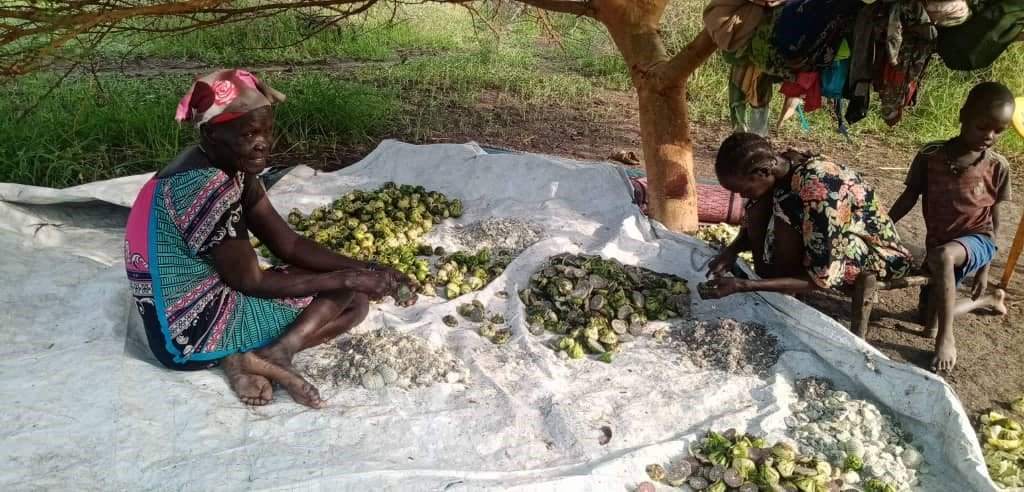
Harvest, Hope & Rising Foundation (HHRF) is committed to enhancing animal health, promoting sustainable agriculture, empowering youth and women, and addressing gender-based violence in South Sudan. By collaborating with local authorities, line ministries, and grassroots organisations, the foundation provides training, advocacy, and resources to build resilient communities and sustainable livelihoods, and this will include introducing and promoting climate-smart agricultural practices that enhance productivity and resilience in line with the changing climatic pattern. By equipping farmers with knowledge in soil fertility management, irrigation techniques, and sustainable pest control, the foundation helps communities transition from subsistence farming to commercial agriculture.
The foundation also supports smallholder farmers by introducing drought-resistant crops and organic
farming techniques while facilitating access to local markets to ensure fair prices for their produce.
Through training programs, local farmers gain the skills needed to improve yields, generate income, and strengthen food supply chains, thus fostering long-term economic independence and sustainability.
Peace Building Campaigns & Conflict Resolution
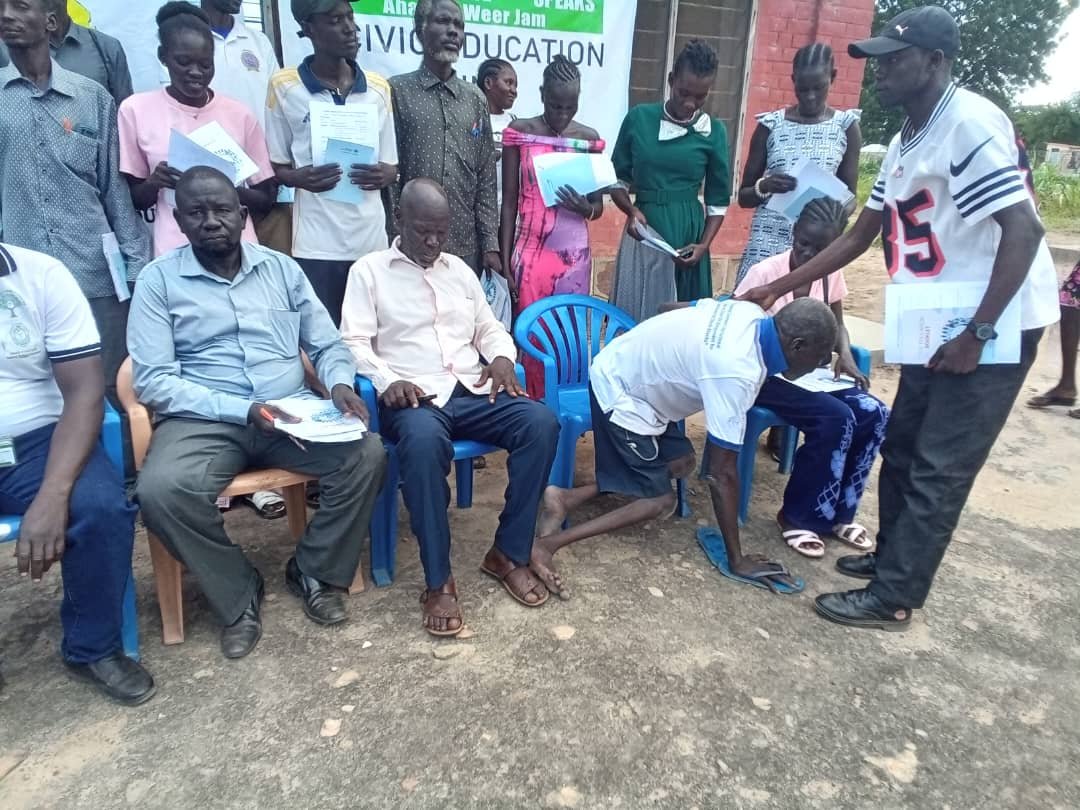
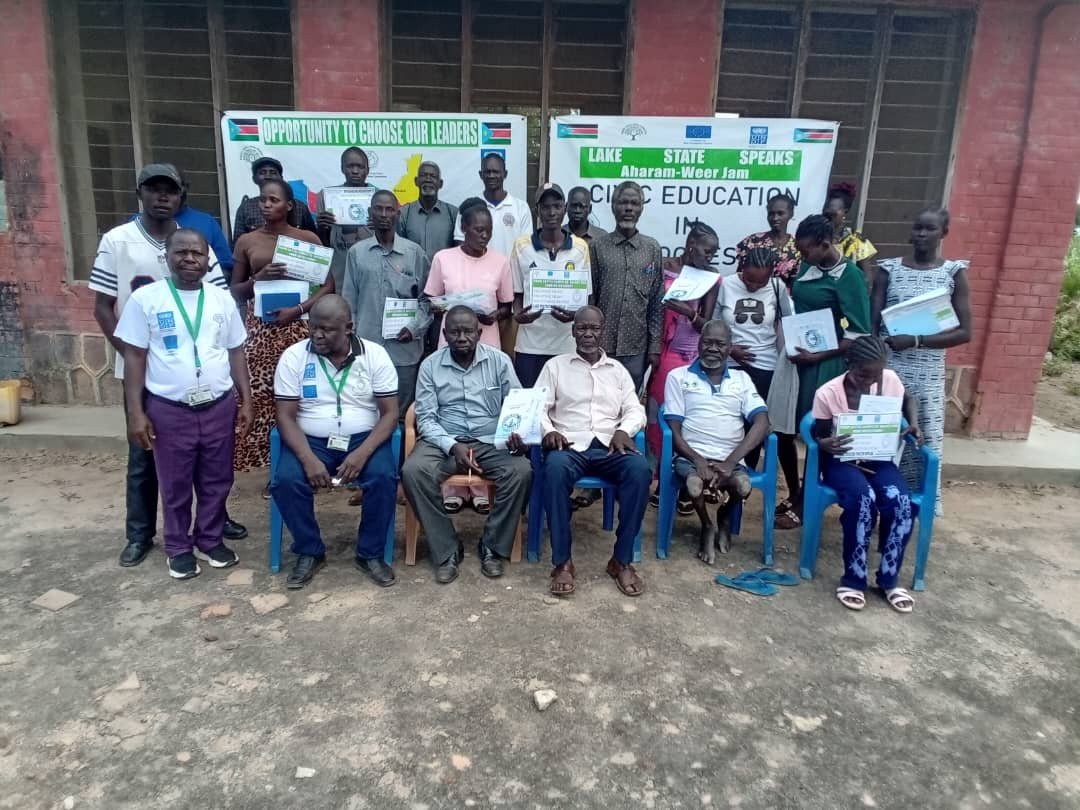
Peace Building Campaign is the foremost thematic area of emphasis in HHRF’s interventions, as echoed by our Lord Jesus Christ: “Peace I leave with you.” This single word, Peace, is very important because it is a prerequisite for implementing any socio-economic or political project. It is for this matter that HHRF works to increase community participation and involvement to eradicate any triggers that may lead to the breach of peace, such as marginalisation, segregation of any form in the cycles of ethnicity, sex, gender, religion or political affiliation and vehemently promotes peace education, dialogue as a form of conflict resolution, equitable sharing of resources and respect for human rights. HHRF also works to increase community participation in peacebuilding and peace education in order to achieve a state of peaceful coexistence.
Enquire about this programme →Environmental conservation and protection
HHRF fully takes into account the destruction of the environment and the negative long- and short-term effects on planet Earth. HHRF has noted with concern that human activities are the single largest destroyer of the environment. Through the activities of deforestation for firewood and fuel, cultivation of the land for growing food crops, and also the use of chemical fertilisers, pesticides and fungicides, the nature and texture of the soil have been destroyed. Water pollution is also on the increase through dumping of the commercial and industrial wastes, used plastics such as beverage bottles and the reclaiming of swamps and water catchment areas for more land space for industrialization that eventually distorts the ecosystems and its symbiotic balance.
HHRF also takes note of the petroleum as well as other minerals exploitation activities that are taking place in South Sudan at a very rapid pace. These activities have very negative adverse effects on the environment, implying that the communities in these areas need continuous sensitisation on how to respond to cases of any breach that may threaten their livelihoods and lives. The fact that the effects are long-term means HHRF has the obligation to take the lead in seeking partners to tackle this crucial needs gap, as the effects are so evident in South Sudan through floods, drought, soil degradation and increasing poverty.
Enquire about this programme →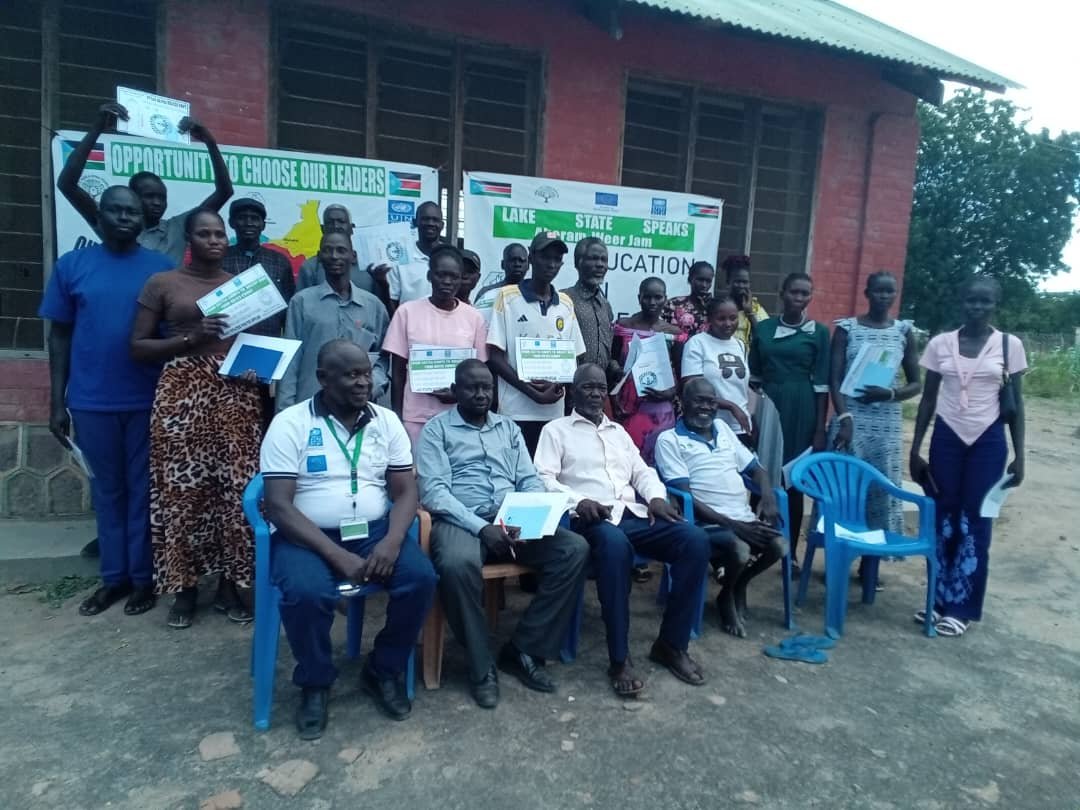
Water, Sanitation and Hygiene (WASH) Intervention:
Related to the above Health interventions, HHRF also puts special emphasis on safe health through the prevention of diseases that may arise from the poor handling of sanitation. In the rural African setting like South Sudan, critical gaps in Water, Sanitation and Hygiene (WASH) drive high rates of waterborne disease, child malnutrition and protection risks for women and girls. With 59% of the population lacking safe drinking water and 60% especially in rural areas practising open defecation, HHRF delivers lifesaving flood-resilient WASH interventions. By rehabilitating water points and constructing gender-segregated sanitation facilities, training community hygiene promoters, pump attendants and local Water Management Committees. We transition communities from emergency reliance to long-term resilience. Our inclusive approach ensures that internally displaced persons, returnees and host communities gain equitable, safe and secure access to essential WASH services.
Enquire about this programme →Psycho-social Support (PSS):
The influx of displaced people fleeing armed conflicts from their countries, such as the Republic of Sudan, as well as within South Sudan in places like Jonglei and Western Equatoria, warrants the establishment of some safe havens such as in Malakal in Upper Nile, Leer and Rubkona in Unity State and Bor in Jonglei. The traumatic experience that these communities, especially the women and children, who have gone through the conflicts and experienced the negative effects, forms a major humanitarian needs gap that requires intervention. It is within this context that HHRF, with its professional manpower, makes it a priority to provide this crucial service to these refugees, returnees and IDPs, including the host communities.
Further catastrophes, like the natural calamities of floods in Greater Unity and Bahr-el- Ghazal, parts of Central Equatoria, Eastern Equatoria, and Pibor Special Administrative Zone associated with climate change, are on the agenda list of HHRF service delivery because of the acuteness of the needs gap in terms of food shortages and security.
HHRF also takes note of the petroleum as well as other minerals exploitation activities that are taking place in South Sudan at a very rapid pace. These activities have very negative adverse effects on the environment, implying that the communities in these areas need continuous sensitisation on how to respond to cases of any breach that may threaten their livelihoods and lives. The fact that the effects are long-term means HHRF has the obligation to take the lead in seeking partners to tackle this crucial needs gap, as the effects are so evident in South Sudan through floods, drought, soil degradation and increasing poverty.
Enquire about this programme →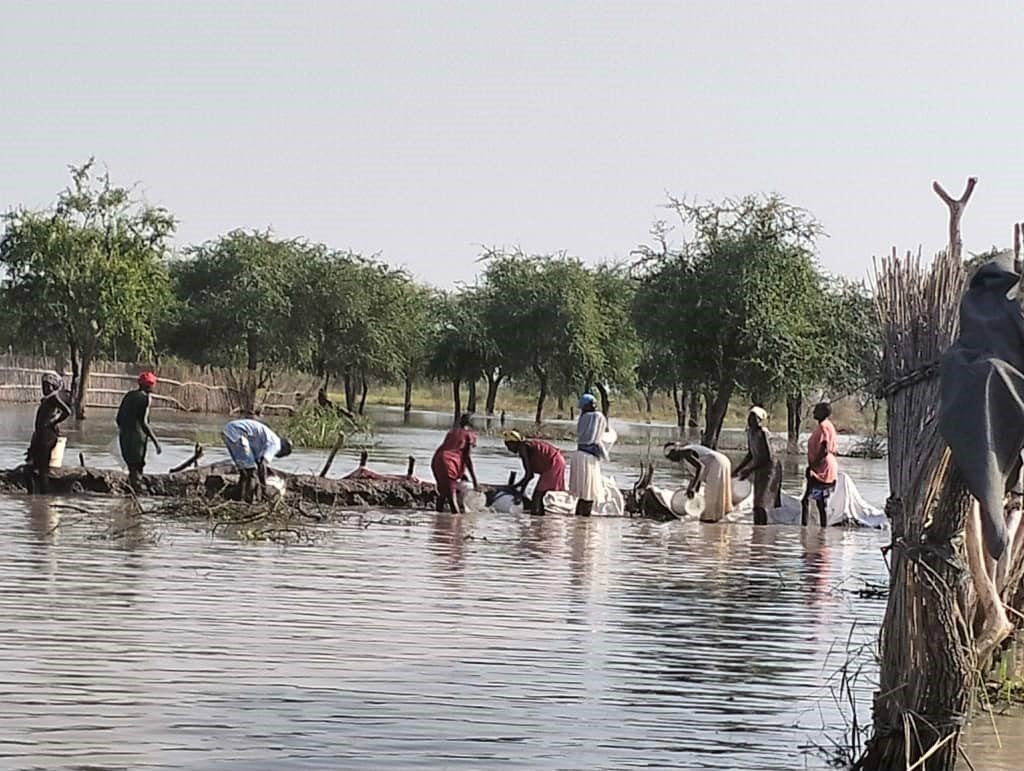
Everything you need to know about HHRF
Answers to the questions communities ask most often before joining HHRF.
What hours do you operate?
Core hours are 8:30am–3:30pm Monday to Friday.
Do you have policies on PSEA?
Yes, all our policies are on our website and accessible on the policies page
How many years of experience does your organisation have?
We were founded in 2022 and have been operational
How do you keep communities informed?
All projects and community activities are present on the website
Find more information and partnership
Learn more about HHRF programmes or want to work with us
Contact Us →